Someone said it in a hiring debrief and nobody blinked. "Strong engineer. Great answers. I'm not sure she'd fit in here."
No evidence. No example. A feeling. And the feeling was enough to kill the offer.
Ruth Wooderson says it better than I do: hiring for culture fit is a polite way of saying no weirdos. She's right. The damage lands hardest in engineering teams, where we tell ourselves we hire on merit and then reject people for being "a bit intense" in a forty minute conversation.

Fit gets measured on hobbies, not skills
This is not my opinion. Lauren Rivera studied hiring at elite professional service firms and published the results in the American Sociological Review. Her finding: hiring works as cultural matching, not skills sorting. Evaluators chose people culturally similar to themselves in leisure pursuits, life experiences, and self-presentation style. Shared culture behaved like capital. It bought access to high-paying jobs.
Read it again. Leisure pursuits.
Tech has its own version. The airport test. The beer test. Would I want to be stuck with this person for six hours? Every one of those tests measures the same thing... how much the candidate resembles the interviewer. None of them measure whether the person writes good code, reasons about failure, or tells you when your design is wrong.
We dressed up a preference and called it a signal.
The exclusion happens at three points, and you see only one
Gerbrand Tholen looked at how employers and recruitment consultants apply organisational fit in engineering, marketing, and finance. His 2024 paper in Work, Employment and Society found three exclusionary moments.
One: setting the criteria. The hiring manager briefs the role with vague fit requirements. Nothing written down, nothing testable.
Two: sourcing. Recruiters predict what the manager wants and filter for it. Candidates get dropped on personality, appearance, and background before anyone technical sees a CV.
Three: the interview. Qualified people get rejected, and fit language supplies the reason after the decision.
By the time your panel argues about fit in a debrief, two rounds of invisible filtering already happened. You are looking at a shortlist someone else already narrowed to people who felt safe. Your debate is theatre.
Tholen's point is blunt. Business and psychology literature treats fit as a benign criterion. In practice it reproduces exclusion by gender, ethnicity, age, and personality type.
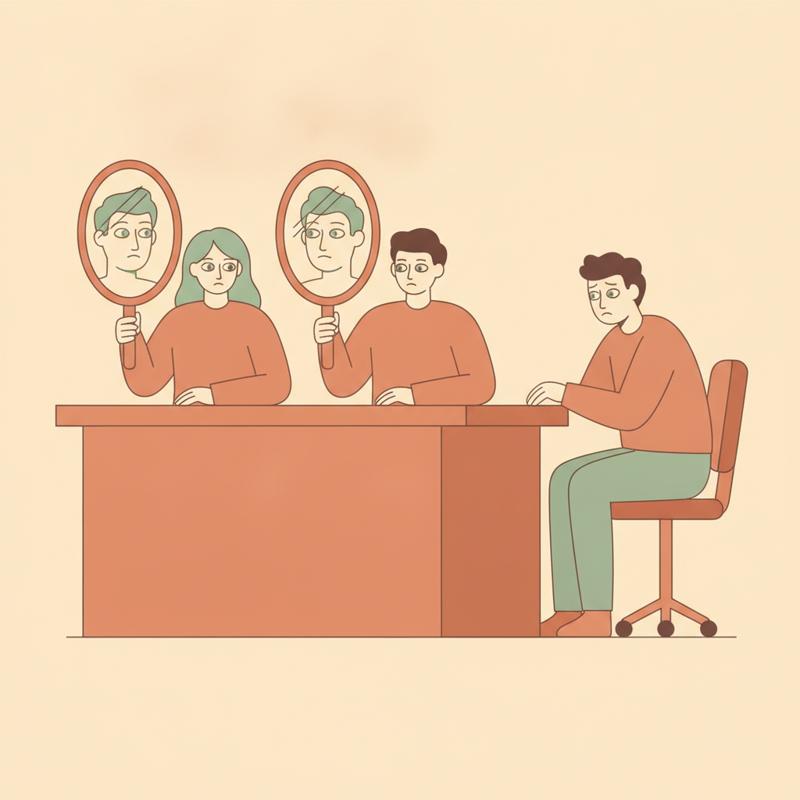
A monoculture team builds a monoculture system
Here's why this belongs on an engineering blog and not only an HR one.
Hire eight people who learned the same stack at the same three companies and you get eight people with the same instincts. Same instincts produce the same architecture, the same shortcuts, and the same blind spots. Your team will miss identical failure modes with total confidence, because nobody in the room has ever been burned by the thing you're all ignoring.
I've watched it happen in specific, boring, expensive ways.
Everyone on the team runs a fast laptop on fibre, so nobody tests the app on a bad mobile connection until support tickets arrive from an entire region. Everyone is young and healthy, so accessibility surfaces at the end as a compliance panic instead of at the start as a design input. Everyone came from the same big-company platform team, so the system gets built for a scale the business will not reach for six years, and the startup burns its runway on infrastructure nobody needed.
Alison Reynolds and David Lewis wrote up the counterweight in Harvard Business Review: teams solve problems faster when they are more cognitively diverse. Different thinking styles, different approaches to new problems, faster route to a working answer.
Cognitive diversity is not the same as demographic diversity. Two people who look nothing alike sometimes think identically. The trouble is what fit filters do... they screen on surface similarity, and they remove both kinds at once. You lose the different-looking candidate and the differently-thinking one in the same rejection email.

Comfort is not a hiring criterion
Ask a manager why a candidate failed on fit and you get a shape of an answer. Too quiet. Too blunt. Bit odd. Not one of those is a job requirement. Every one of them is a statement about how the manager felt for forty minutes.
My own research on bad bosses found 99.5% of people said they've had one or more types of bad boss. Nearly everyone. And plenty of those bosses were pleasant company. Easy to talk to, great in an airport, terrible at running a team. Comfort in a room predicts nothing about whether someone leads well, ships well, or tells you the truth on a bad Friday. I write more about the cost of poor management over at Step It Up HR.
The person who makes you uncomfortable in an interview is sometimes the person who asks why the build takes forty minutes, why the on-call rota destroys your best engineer every third week, or why nobody has looked at the retention numbers. Uncomfortable questions are the job.
What to do instead, starting with your next debrief
Culture add rather than culture fit is the usual phrase. The phrase alone changes nothing. The process has to change.
Write your culture down as behaviours. "Disagrees in the design review, then commits to the decision" is testable. "Good energy" is not. If you have no written behaviours, your interviewers default to their own reflection.
Score the work, not the vibe. A short, paid, realistic work sample beats an hour of conversation. Watch how someone reasons through a real problem from your backlog.
Use the same questions for everyone, and score before you discuss. Interviewers who talk first anchor the room. Independent scores first, debate second.
Ban unevidenced fit language. New rule for debriefs: any concern needs a behaviour and an example. "He seemed arrogant" does not count. "He dismissed the tester's question twice without answering it" does count. Half your fit objections will evaporate under this rule. The surviving half will be real.
Change who sits on the panel. Add the person who joined six months ago. Add someone outside the team. Homogeneous panels reproduce themselves.
Ask what the team is missing before you open the role. Hire the gap. If everyone on your team loves greenfield work and nobody enjoys operations, your next hire is obvious, and they will not resemble the rest of you.
Look at the funnel data. If candidates from one background consistently fail at the same stage, you have found a filter, not a coincidence.
The uncomfortable bit
Every one of these steps makes hiring slower and less pleasant. Structured scoring is dull. Work samples take effort to build. Defending your gut in a debrief with evidence feels like being cross-examined.
The alternative costs more. You end up with a team of people who agree with each other about a system none of them have the range to question. Then you wonder why every incident review reaches the same conclusion, and why the retro action items never change.
So here's my question for your next debrief. When someone says a candidate is not a fit, ask them what evidence would change their mind. If they have no answer, you learned something about your hiring process, and nothing at all about the candidate.