Advita Patel shared a number from her research a while back. 82% of the people she asked named micromanagement as a behavior getting in the way of their confidence at work. CommsRebel posted the clip on LinkedIn.
I read it twice. When Debra and I surveyed people for Bad Bosses Ruin Lives, 80% told us they'd worked for a Micromanager. It tied for second place out of our ten bad boss types. Debra walked through the full ranking on the HR Leaders podcast.
82 and 80. Two people. Two samples. Two different questions. One villain.
My first instinct was to shout about it. My second instinct, the engineer in me, was to ask whether the agreement means anything at all. It does. Here's why, and here's what you should do about it if you run a team.
Agreement Is Cheap
Before I trust two numbers, I check whether they're two numbers or one number wearing two hats.
Search for micromanagement statistics and you'll trip over 79% everywhere. Blogs, HR vendors, Medium posts, listicles. It looks like a mountain of evidence. It's one survey. Harry Chambers ran it for his 2004 book My Way or the Highway, and Great Place To Work Switzerland still quotes it today: 79% had experienced micromanagement, 85% said their motivation dropped, and 69% thought about changing jobs.
I've got nothing against the Chambers survey. It's 20 years old, and I haven't seen the method behind it. But a thousand articles quoting one source give you one data point. The copies add volume. They don't add evidence.

You see the same trap in engineering. Three dashboards turn red at once and somebody declares a major incident. Then you find all three read from the same metrics pipeline, and the pipeline broke. Three alarms. One signal. Zero information about your users.
Independence Is Expensive
Now look at what Advita and I measured.
Our question asked about prevalence. Have you had a boss like this? 80% said yes to the Micromanager.
Her question asked about harm. Which behaviors get in the way of your confidence? 82% pointed at micromanagement.
Different researchers. Different people answering. Different questions. One study counts how often the behavior shows up. The other measures what it breaks. Both land in the same place.
The pairing matters. Prevalence on its own tells you micromanagers are common. Common and harmless describes plenty of irritating habits, like the boss who replies-all to everything. Harm on its own tells you micromanagement hurts. Rare and harmful describes plenty of things too, like the boss who throws a stapler. You'd treat those two cases in different ways.
Put the two findings side by side and you get common and harmful. Eight in ten people have worked for one. Eight in ten say it knocks their confidence. No single survey gives you both halves of the picture.
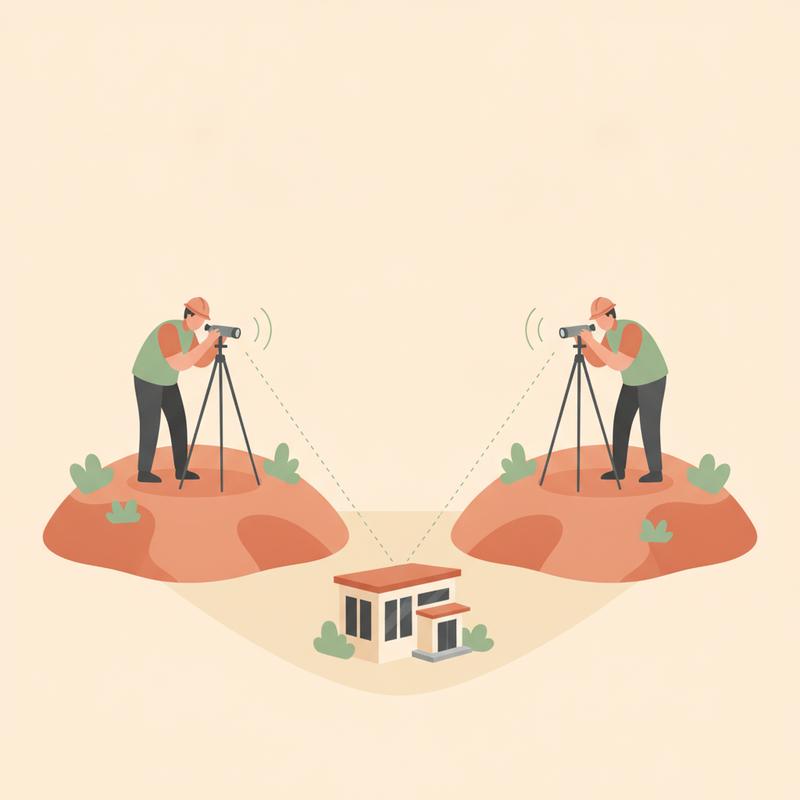
Social scientists call this triangulation. The term comes from land surveying, where you fix a point by taking measurements from two separate spots and watching the lines cross. Norman Denzin split it into four types: data, investigator, theory, and method. Our two surveys hit at least two of them. Different investigators. Different data.
Why Two Honest Studies Agreeing Matters More Than You Think
Here's the part most people miss. Even careful researchers disagree when they look at the same thing.
In 2018, 29 research teams with 61 analysts took one data set and answered one question: do soccer referees give more red cards to players with darker skin? Same data. Same question. Twenty teams found a significant effect. Nine didn't. The estimates ranged from an odds ratio of 0.89 to 2.93. Expertise didn't explain the spread. Prior beliefs didn't either.
So one study, no matter how careful, gives you one set of choices. How you word the question. Who you ask. What you count. Change those choices and the answer moves.
When two studies make different choices and still land on the same answer, the choices stop being the explanation. The thing itself is.
I'm not claiming 80 and 82 prove anything to the decimal point. Survey numbers wobble. What I'm claiming is simpler. Two separate routes to the same destination tell you the destination exists.
What Engineering Teams Already Know
You already work this way. You don't apply it to your own management.
When a user files a bug, you don't panic. When the error rate climbs, you don't panic. When a user files a bug and the error rate climbs and the on-call engineer sees the same stack trace, you stop arguing and start fixing. Independent signals pointing at one service.
Micromanagement has its own independent signals on your team. Check these:
- Your pull request queue. Do reviews wait on you, even for changes outside your expertise?
- Your Slack. How many messages this week started with "Quick check..." from you?
- Your one-to-ones. Who does most of the talking? If it's you giving instructions, the meeting belongs to you, not them.
- Your team's questions. Do people ask permission for decisions they own?
One of these on its own means little. Three of them pointing the same way means you've found your incident.
I wrote about the approval trap in If You Need to Approve Everything, You Don't Have a Team, and about why micromanagement is a coaching crime. Read those if the list above stung.

The Bit Nobody Wants to Hear
Here's the uncomfortable piece. Over 99% of people in our research told us they'd had a bad boss. We ran a second survey of bosses, and 80% admitted they'd been a bad boss themselves. But on average they owned up to only 10% to 15% of the bad boss types. Debra describes the gap in her conversation with Andy Goram.
So bosses admit the label and miss the behavior. Lots of micromanagers don't see themselves as micromanagers. They see themselves as thorough. Engaged. Hands-on. Protective of quality.
Your team sees something else. And now two separate studies say your team is right about what it costs them.
What I'd Do Monday Morning
Run your own triangulation. Don't trust your self-image alone. Collect three signals:
- Your own view. Take the bad boss self-assessment. Answer as your team would answer about you.
- Your team's view. Ask one question in your next one-to-one: "Where do I get in your way?" Then stop talking.
- The data trail. Count the approvals waiting on you right now. Count the decisions your team escalated last week which they had the authority to make.
If all three point at you, you've got your answer. If they disagree, dig into the disagreement. It's telling you where your blind spot sits.
Hand back one decision this week. Pick one thing you approve today and stop approving it. Tell the team. Then hold your nerve when they do it differently from you.
Ask about confidence, not output. Advita's finding stuck with me because her question asked about confidence. Micromanagement doesn't only slow the work. It teaches people to doubt themselves. You'll see the slowdown in your sprint metrics. You won't see the doubt until somebody good hands in their notice.
Two Studies, One Choice
Two surveys asked two different questions and landed on the same villain. You don't need a third study.
You need to decide whether the villain works on your team. Which of your signals is already pointing at you?