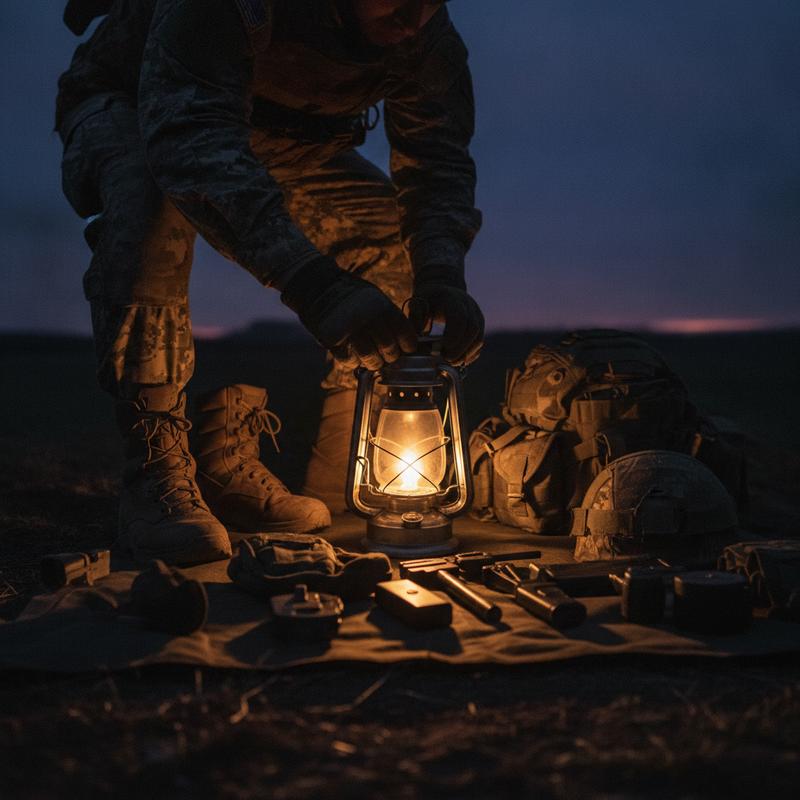
At four in the morning, my gear sat in the same order it sat every morning. Boots by the cot. Rifle cleaned the night before. Water, batteries, first aid kit, checked twice. Nobody watched me do it. Nobody graded it. I did it because the day I skipped it would be the day something went wrong.
Here's the whole secret to leadership nobody wants to hear: there isn't one. No hidden gift. No natural-born genius gene. Show up. Pay attention. Do the boring work every single day, whether or not anyone is watching.
Leadership Isn't a Talent. It's a Habit.
Ask most people to picture a great leader and they picture someone larger than life. A visionary. Someone with answers before anyone else asks the question.
I don't buy it.
Every leader I respected wasn't the smartest person in the room. They noticed the small stuff before it turned into big stuff. The manager who caught a tired voice on a call and asked a second question instead of moving straight to the next agenda item. The sergeant who walked the line before an inspection because he knew somebody's boots weren't right, not because he was told, because he looked.
None of this takes brilliance. It takes attention, and attention is a skill built one rep at a time, same as anything else worth having.
The Research Backs This Up
I went looking for proof this wasn't only me being sentimental about my Army days, and I found it.
A University of Sussex study of 610 leaders across 18 industries found humble leaders gain more influence than the loud, self-promoting kind, not less. Researcher Dr. Elsa Chan put it plainly: humble leaders take an alternative route, building trust and mentoring others, and this route carries them further than dominance ever does.
Read it again. Humility isn't the soft option here. It's the one with better odds.
Compare it against the leaders who talk over every meeting and take credit for every win. Early on, they might look like they're winning. Watch five years out and the humble ones are still standing, while the loud ones wonder why nobody wants to work for them anymore.
I served with officers on both sides of this line. The ones who barked orders and never asked a question got obeyed, for a while. The ones who walked the perimeter, asked the junior soldiers what they saw, and admitted when a plan needed changing, got followed. Obedience and loyalty aren't the same thing, and only one of them holds up when things go wrong.
Attention Is the Whole Job
Wharton's research on vigilant leadership makes a point I wish someone told me years earlier: most of us miss important signals not for lack of intelligence, but because we carry limited attention, competing priorities, and no curiosity left after a long day.
The Wharton piece points to Charles Schwab spotting robo-advisors early and building around them, while Honeywell watched Nest build the smart thermostat market and did nothing about it. Same information, available to both companies. One paid attention. One didn't.
This gap, paying attention or not, decides more outcomes than talent does. I've watched it play out on missions and in boardrooms both. The people who ask "what am I not seeing here" outperform the people who assume they already know the answer.
Attention isn't a personality trait, either. It's a decision, made over and over, to keep your eyes open when the easier move is to assume everything's fine. Most leadership disasters were visible for months before they became disasters. Somebody saw a warning sign. Somebody decided it wasn't their job to say anything.

Paychecks Aren't the Point. Presence Is.
Here's something uncomfortable to say out loud: most leadership failures aren't failures of strategy. They're failures of noticing. The employee who quietly checked out three months before they resigned. The project which slipped a week at a time until it sat a month behind schedule. The teammate who stopped asking questions in meetings because nobody answered the last five.
None of these show up on a dashboard right away. They show up when somebody in the room pays attention.
My own research puts a number on this: 99.5% of people I surveyed said they'd worked for one or more types of bad boss. Not the occasional rough manager. Nearly everyone, everywhere, at some point. Ask why, and the answer is rarely cruelty. It's absence. A boss who stopped noticing.
I Learned This the Hard Way, Twice
The Army taught me the gear-check version of this lesson. Corporate life taught me the harder version.
Years later, running a team an ocean away from where I grew up, I missed something obvious for months. One of my best engineers started shipping less, saying less in stand-up, closing his laptop the second a meeting ended. I told myself he sat in a slow patch. Everybody hits a slow patch.
He wasn't in a slow patch. He was already gone in every way except his resignation letter, and I only found out why once he'd handed it in: a reorg six months earlier had quietly stripped the parts of the job he liked, and nobody, including me, sat him down and asked him about it.
I didn't lack the skill to fix it. I lacked the attention to see it needed fixing. This is a humbling thing to admit about yourself in public, and I'm doing it anyway because pretending leaders don't miss things helps nobody.
Three Habits Stronger Than Talent
None of this requires a rare gift. It requires repetition.
- Lay your gear out the same way every night. Whatever your version of gear is, a calendar, a checklist, a set of morning questions, keep the ritual the same so you notice the day it's off.
- Ask the second question. The first answer in a meeting is rarely the real one. Stay in the conversation one beat longer.
- Notice the tired voice on the call. Skills stop mattering the moment somebody checks out. Presence catches it before a resignation letter does.
None of these habits are complicated. None of them are quick, either. They cost you attention every single day, forever, with no finish line. Here's the trade. Attention paid daily, in exchange for a team which doesn't fall apart quietly while you're busy congratulating yourself on strategy.
You Don't Need to Be Special. You Need to Show Up.
Any dumbass handles this job well, given enough attention. I mean it as encouragement, not an insult. You don't need a rare gift to lead people. You need to pay attention, admit when you're wrong, and keep doing the small things long after they stop feeling new.
The engineer I lost taught me more about leadership than any course I ever sat through, and I'd rather have learned it from a book. I didn't get this choice. You still do.
So here's my question for you: what's the one thing on your team right now you'd notice, if you were paying attention?