Somewhere in the last decade, a memo went around. Stop saying "mistake". Say "learning moment" instead.
I have watched leaders adopt the phrase in about four seconds flat. It costs nothing. It sounds kind. It fits on a slide. And in most companies I have seen, it changes absolutely nothing about what happens to the person who broke the build at 4pm on a Friday.
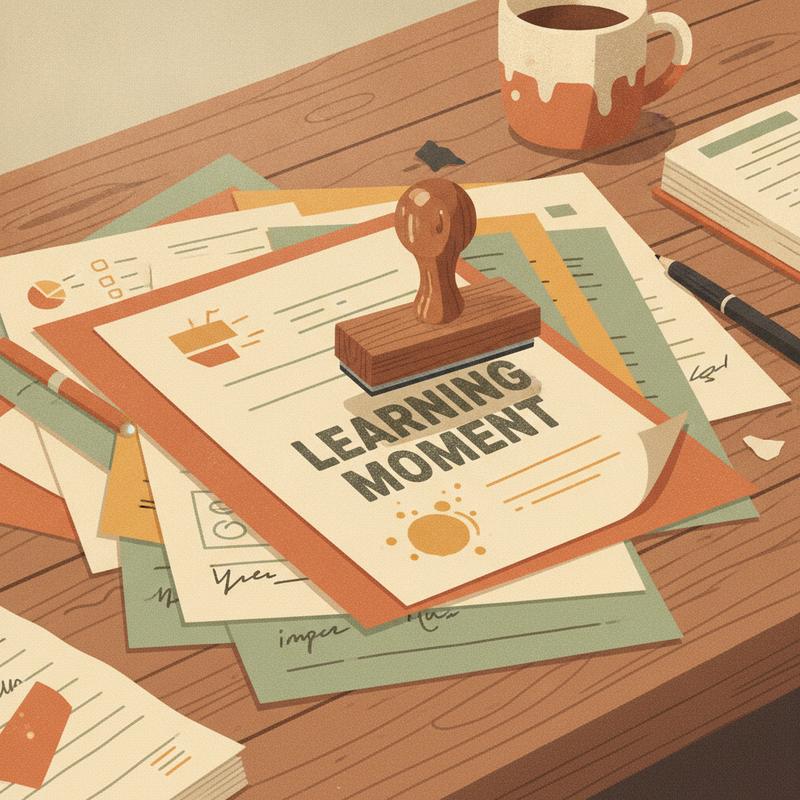
The rename is the cheapest part of the job. Everybody does the cheap part. Almost nobody does the rest.
Where the phrase came from
Garry Ridge ran WD-40 Company for 25 years and built the idea into the place. His definition is worth reading slowly, because it is not the one most people repeat: a learning moment is "any outcome shared openly so all benefit".
Read the middle of it again. Shared openly. Not renamed. Not softened. Not filed away in a private one-to-one with your manager where nobody else will ever hear about it.
Ridge started small. A handful of people emailed around what went wrong. Then it grew to hundreds across the company. On his own site he describes those moments as "raw", and the messy decisions and failed strategies as the ones with the most impact. Raw. Not tidy. Not spun.
By the time he left, WD-40 was reporting engagement above 90%. I am not claiming a phrase did it. A practice did. The phrase was the label on the tin.
The version most companies run
Here is the version I keep bumping into.
Something goes wrong. The team lead says "no blame, this is a learning moment", everyone nods, and then... nothing. No write-up. No sharing. No change to the process. Six weeks later the same thing goes wrong again, and this time somebody's performance review picks up a new line about "attention to detail".
Renaming failure without changing what follows it is worse than saying nothing. Your team now has evidence you will say warm words and act cold. You have taught them the vocabulary is decorative. Next time they will hide the problem better and for longer, because they know how the story ends.
Silence about a broken thing is expensive. It is not free, and it is not neutral. Every hour a problem stays hidden is an hour nobody spends fixing it.
The test is who goes first
If you want to know whether a company means it, ignore the language and ask one question: who shared the last learning moment, and what rank were they?
If the answer is a junior engineer, you have a confession booth, not a culture. Junior people sharing failures upward is the oldest arrangement in work. Nothing new has happened.
If the answer is the person running the place, describing a decision of their own with a real cost attached, something different is going on. Ridge grew his version from three submissions to hundreds. Those first three set the price of entry. Somebody senior paid it first.

I have paid it. I once got something wrong in front of my boss's boss, in a room where being right was the whole currency. I have written about the day I was wrong in front of my boss's boss before. The useful part was not the being wrong. Everybody is wrong constantly. The useful part was doing it out loud, in front of people who outranked me, and surviving it in public where others saw.
There is the whole mechanism. Not softer words. Visible cost, paid by somebody with something to lose.
Why leaders skip it
Because it hurts.
Sharing your own failure in front of your team feels like handing out ammunition. Some part of your brain insists authority is a bucket with a hole in it, and every admission drains a little more.
The opposite happens. Teams already know when you got it wrong. They watched it. What they are working out is whether you know, and whether you will say so. Your silence does not preserve authority. It tells them you are either unaware or dishonest, and neither one earns much.
My wife Debra's research on bad bosses found 99.5% of respondents said they had experienced one or more types of bad boss. Ponder the number for a second. It is not a minority problem. Nearly everybody carries a bad-boss memory into work with them, which means your team arrives already expecting the warm words and the cold action. You are not starting from zero. You are starting from underneath it, working off somebody else's debt.
Slow cooker, not microwave
Another line of Ridge's I like: culture is a crockpot, not a microwave.
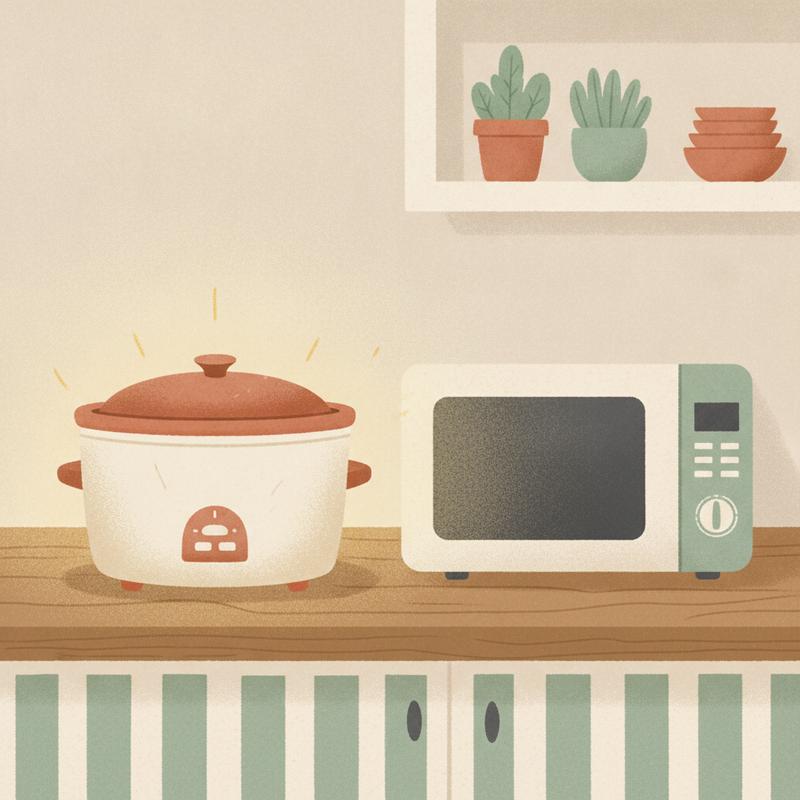
You will not get this in a quarter. You will not get it from an all-hands with a new phrase on the deck. The first time you invite people to share a failure openly, the room will go quiet and stay quiet, and you will feel like a fool standing there. Fine. Do it again next month. And the month after.
What shifts it is repetition plus consequence. Specifically: no consequence. Somebody shares a real failure, and nothing bad happens to them. Not a raised eyebrow. Not a note in their file. Not a sideways comment eight months later during promotion season. People are watching for the punishment with the patience of a cat at a mousehole, and one small punishment resets the whole thing to zero.
What to do on Monday
Skip the language change. Try these instead.
Go first, and go recent. Share one of yours from this quarter, not a charming story from three jobs ago about a decision nobody remembers. Old failures are safe failures. Safe failures teach nobody anything.
Say what it cost. "I got the hiring priority wrong and we ran short for two months" beats "I have made mistakes too". Vague admissions are a humble-sounding way of admitting nothing.
Share it wider than the incident. If only the three people in the room hear it, you have run a post-mortem, not a learning moment. The word "shared" is doing real work in Ridge's definition.
Separate the person from the process, out loud. Most failures come from a system with a hole in it, not from somebody being careless. Say which one you think it is, and say it in front of everybody, because they are all quietly wondering.
Watch the tail. The damage rarely lands in the meeting. It lands weeks later in a review, a promotion decision, a project assignment. Guard the tail, or the meeting was theatre.
The uncomfortable bit
If you have used the phrase for a year and no senior person has shared a failure of their own, you have not built a learning culture. You have built a nicer word for the same old blame, and your team clocked it long before you did.
The vocabulary was never the problem. Words are free, and free things do not change behavior. What changes behavior is somebody with power taking a visible hit and walking away intact, over and over, until the team believes the room is safe.
So here is the question I would sit with. When was the last time you shared a failure of your own, by name, with a number attached, in front of people who report to you?
If you have to think hard about the answer... you already know what your culture is.