For years I ran my work life like I was waiting for a bus. Get through this reorg, this funding round, this launch, this hire... and then things would settle down. Then I'd finally get to do the calm, considered work I kept promising myself.
The bus never came.
What I worked out, far too late: the settling-down was the fantasy. The chaos was the job. Every time one fire went out, two more started, and I kept treating each one as an interruption to the "real" work instead of admitting it was the work.
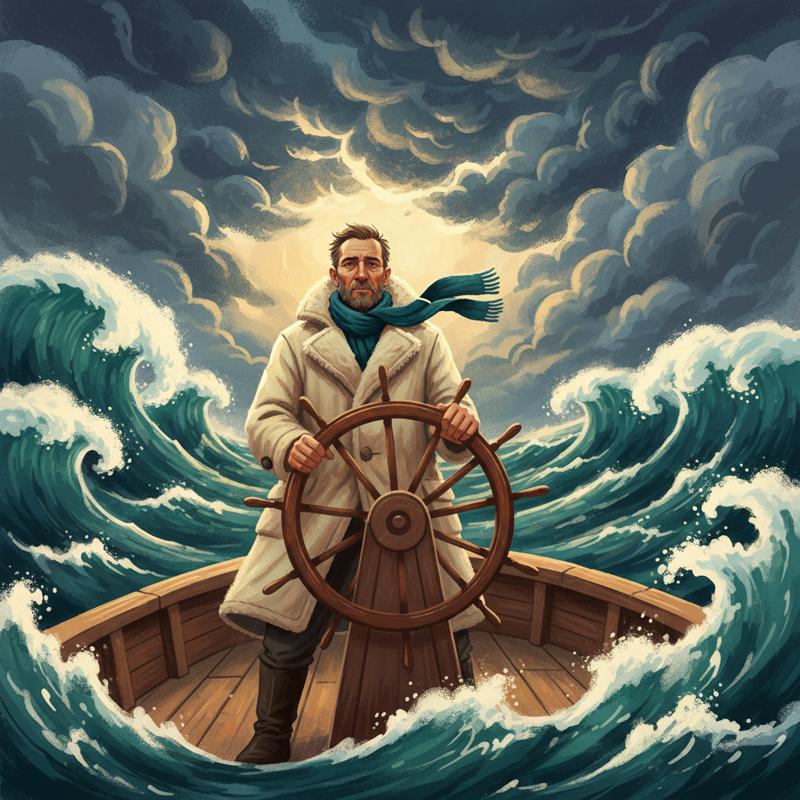
Uncertainty is the weather, not a forecast
Here's the thing most leadership advice gets backwards. It treats uncertainty as a temporary problem to be solved, a storm you weather until the sun comes back. So you hunker down, you freeze, you wait.
And waiting has a cost.
MIT Sloan dug into how leaders behave when things get murky, and the numbers are grim. In their research, 32% of leaders said they felt paralyzed by uncertainty at the exact moment action was needed. Another 42% admitted they postponed decisions because making them felt uncomfortable.
Read it again. Nearly half of leaders stall not for lack of information, but because deciding feels bad.
I've been this leader. I've sat on a call telling myself I needed "more clarity" before I committed, when the honest truth was I didn't want to be wrong. The clarity was never coming. I was hiding.
Stop predicting. Start sensing.
The old model of leadership was prediction. Build the five-year plan. Map the roadmap. Forecast the market. Control the outcome.
This model is broken, and it has been for a while.
The Center for Creative Leadership, which has spent nearly six decades studying how leaders operate, describes the trap perfectly. Leaders get "trapped in endless urgency, reacting to one challenge or crisis after another, without the space or skills to move beyond reactivity." Firefighting becomes the whole identity.
The fix isn't a better forecast. You will not forecast your way out of a world full of surprises. The fix is to swap prediction for sensing. Stop trying to know what happens in 2029. Get sharp at reading what is happening right now, and adjust fast.
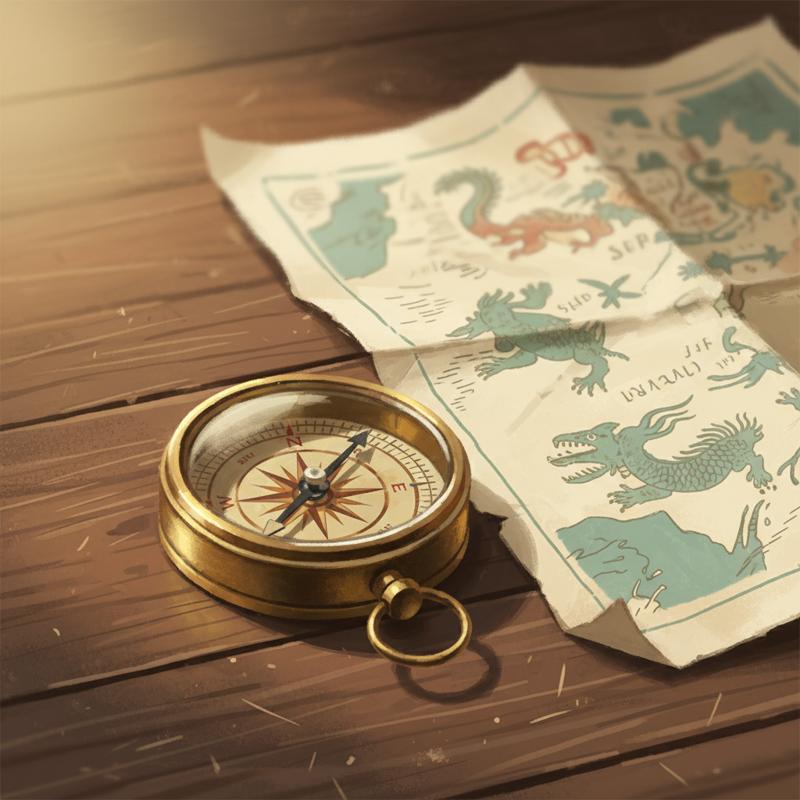
A compass beats a map when the terrain keeps changing. A map tells you what someone else saw, once, a while ago. A compass tells you which way you're pointed right now, wherever you happen to be standing. When the ground shifts under you weekly, you want the compass.
In practice this means shorter horizons. Set a goal you genuinely see... three months out, not three years. Far enough to give your team something solid to stand on, close enough to change course before you've wasted a year building the wrong thing.
Treat your decisions as experiments
One trick from the MIT work has stuck with me. They suggest you drop gambling language and pick up scientific language. Don't call it a bet. Call it a hypothesis.
It sounds like a word game. It isn't.
When you "place a bet," being wrong means you lost. It's final, it's personal, it stings. So you avoid it. You stall. You wait for the 42%-of-leaders feeling to pass.
When you "run an experiment," being wrong means you learned something. You expected it. The whole point was to find out. A failed experiment isn't a loss, it's data you didn't have yesterday.
Same decision. Completely different relationship with being wrong. And your relationship with being wrong is the thing deciding whether you act or freeze.
Say "I don't know" out loud
Here's the part scaring people most. Leading through chaos means admitting, in front of your team, you don't have the answer.
Most bosses would rather chew glass.
I get why. We've been sold a story where leadership means certainty, where the boss is the one with the plan, and showing doubt is showing weakness. So leaders fake it. They project false confidence, they bluff, and their teams smell it instantly.
My own research into bad bosses turned up a number I keep coming back to: 99.5% of people said they'd suffered under one or more types of bad boss. Not 60%. Not 80%. Practically everyone. And a huge share of bad behaviour is frightened people clamping down, pretending to know things they don't, because they think the job demands it.
It doesn't.
The strongest thing I ever did as a leader was tell a room full of clever people, "I genuinely don't know how this plays out. Here's what I'm watching. Here's what would change my mind. What are you seeing I'm not?" The relief in the room was physical. Suddenly it was a shared problem, not a performance, and the sharpest ideas came from people who'd been quietly sitting on them while I postured.
Admitting the limits of what you know doesn't cost you authority. It buys you trust. And trust is the one thing moving fast when everything else is uncertain.

Your team feels the chaos through you
There's a reason the calm captain matters. Your team doesn't experience the storm directly. They experience it through you.
When you go silent, they fill the gap with the worst story they dream up. Silence isn't neutral. A vacuum of information always gets filled, and people default to fear. The cure is almost embarrassingly simple: communicate more often, even with nothing new to report. "No update yet, still working it, here's where my head is" beats radio silence every single time.
Use "we" language, not "I" language. Not because it tests well, but because it's true. You're in the boat together. The job isn't to pretend the sea is calm. The job is to be the steady hand on the wheel while everyone watches the waves.
Resilience is reps, not a personality
The lie about resilience is the idea some people simply have it. They're born tough, born calm, built for the storm. The rest of us aren't.
Rubbish.
Resilience is a muscle, and muscles grow under load. Every time you make a decision without full information and survive it, you get a little stronger. Every time you say "I don't know" and the sky doesn't fall, the next time gets easier. Every short-horizon goal you hit while the long-term stays foggy proves to you you function in the fog.
You don't build it by waiting for calm. You build it by leading through the noise, on purpose, before you feel ready.
So stop asking when the chaos will end. It won't. This isn't pessimism, it's freedom. The moment you stop waiting for the bus never coming, you get all your energy back to spend on the one thing ever in your control: how you steer.
What decision have you been postponing while you wait for a clarity never coming?