Everyone has a "toxic" coworker. Scroll through LinkedIn for five minutes and you'll find dozens of posts about toxic people, toxic cultures, toxic energy. The word is everywhere.
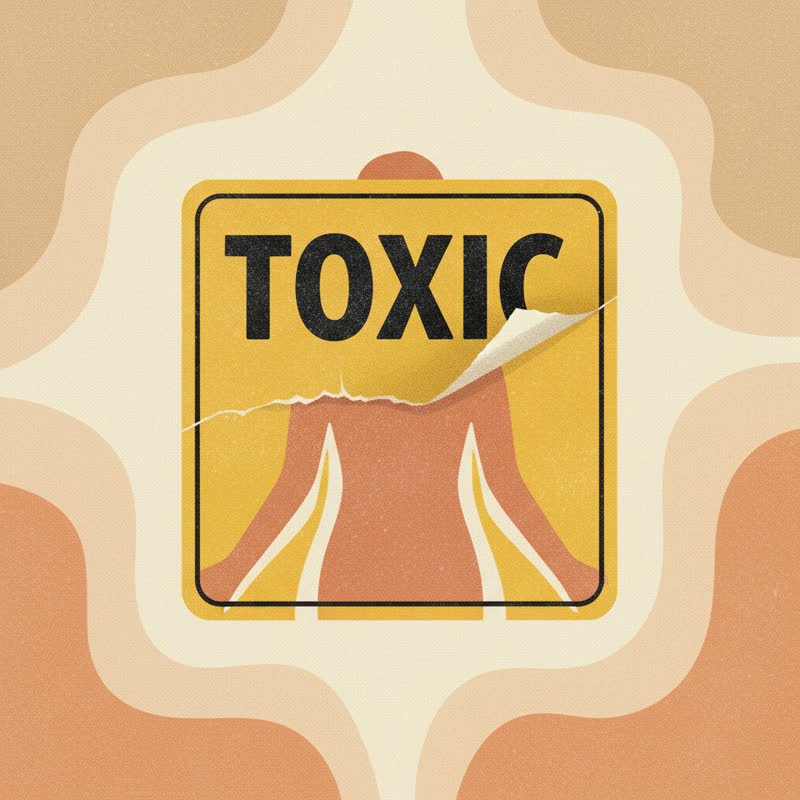
But here's what bothers me. We've turned "toxic" into a label we slap on anyone who frustrates us. And once it sticks, it's over. No coming back from it.
I think we're getting this wrong. Badly wrong. And the cost isn't to us. It's to the people we're labelling.

The Numbers Don't Add Up
Narcissistic Personality Disorder affects roughly 0.5% of the US population. One in two hundred people. Yet somehow, every office has three or four "toxic" colleagues.
Something doesn't add up.
Psychology Today published a piece arguing the "toxic" label is overused to the point of meaninglessness. Normal workplace friction gets repackaged as toxicity. Disagreement. Bluntness. A bad day. Loud communication. Even performance monitoring by a diligent manager.
These are unpleasant behaviours. They are not disorders. And there's an important difference between the two.
When we label someone toxic, we give ourselves permission to stop trying. We stop listening. We stop attempting to understand. We write them off entirely. As the article puts it, the label "sticks to the target like a nasty nickname does to a young child." Once you see someone as toxic, you'll keep finding evidence to confirm it. It becomes a lens you look through, and every interaction reinforces the story you already told yourself.
The label doesn't describe the person. It describes how we've decided to see them.
What "Difficult" People Are Telling You
Zach Mercurio is a researcher who studies something he calls "mattering" at work. His findings hit hard.
30% of workers feel invisible at work. 27% feel ignored. Nearly 50% feel undervalued. And 39% say they don't have a single person at work who cares about them as a human being.
Read those numbers again. We're talking about one in three workers feeling like a ghost in their own workplace.
Mercurio's research found something I wish more managers understood: "Many employees whom leaders have labeled 'difficult employees' are usually the most unseen, unheard, and under-recognized employees."
The complaining. The gossip. The withdrawal. The attitude. Nine times out of ten, these aren't signs of a toxic personality. They're the language of someone who feels invisible. Gossip, Mercurio explains, is "an attempt to develop secure relationships elsewhere in the organization, where you and what you say matters." People don't gossip because they're bad. They gossip because they feel unheard where it counts.
I've Seen This Play Out
In 30-plus years of leading teams, I've worked with my share of "difficult" people. Early in my career, I handled them the way most managers do. Avoid. Manage out. Label.
Then I started paying closer attention.
One developer on a team I led was universally described as "negative." Always pushing back. Always complaining about process. The team wanted him gone.
I sat down with him. Not to give feedback. Not to correct his behaviour. To ask questions and listen to the answers. Turns out he'd been raising valid concerns for months and nobody responded. His ideas got ignored in meetings. His contributions went unacknowledged. So he stopped trying to contribute constructively and started being "difficult" instead.
Within three months of being heard, he became one of the strongest contributors on the team.
Was he toxic? Or was he invisible?
I've seen this pattern repeat itself so many times now. The person everyone avoids is often the person nobody sees. The "problem employee" who turns around overnight once a new manager pays attention to them. The "troublemaker" whose complaints turn out to be the most accurate diagnosis of what's broken in the team.
My research into bad bosses found 99.5% of survey respondents said they've experienced one or more types of bad boss. When nearly everyone has had a terrible leader, the question shifts. Is the problem toxic employees? Or is it the environment those employees are trapped in?
Why We Love the Label
Here's the uncomfortable truth. Calling someone toxic is easy. Understanding them is hard.
The "toxic" label protects us. It means the problem is them, not us. It means we don't need to examine whether our leadership, our team culture, or our own behaviour contributed to the situation.
Approximately 23% of American adults experience mental health challenges. When someone is going through a rough time, their behaviour at work changes. They become short-tempered. Withdrawn. Defensive. And instead of asking what's wrong, we stick a label on them.
Meanwhile, Gallup's 2025 data shows global employee engagement sitting at 21%. Only one in five people feel engaged at work. The other four aren't all toxic. They're disengaged. And disengagement looks a lot like difficulty when you're not paying attention.
Three Things to Try Before You Label Anyone
Mercurio's framework breaks mattering into three elements. I've found them useful as a practical checklist before writing anyone off.
1. Notice Them
When was the last time you paid real attention to this person? Not their output. Them. Do you know what they're working on outside their task list? Do you know what they care about? Do you greet them by name when you walk in?
Mercurio's research shows the most meaningful moments at work aren't awards or bonuses. They're a supervisor remembering your name. Acknowledging your specific work in a meeting. Asking about something personal you mentioned last week.
How many of your one-on-ones are about tasks, and how many are about the person?
2. Affirm Them
Generic "good job" doesn't count. Tell people the specific difference they make and how they make it. Name their strengths. Show them the evidence of their impact.
There's a difference between appreciation ("thanks for your work"), recognition ("great job on the project"), and affirmation ("your attention to detail on the API design caught two bugs no one else would have found, and it saved us a week of rework"). Only the last one creates a real sense of mattering.
Most managers I've worked with think they're good at this. Most employees I've worked with disagree.
3. Need Them
People who feel replaceable act replaceable. Mercurio puts it bluntly: "When people feel replaceable, they act replaceable."
Make people feel relied upon. Give them ownership of something meaningful. Ask for their specific expertise in front of others. When someone knows their unique perspective is needed, they show up differently. Not out of obligation, but because they belong.

The Real Question
Before you label your next "difficult" person as toxic, ask yourself this: have I tried to see them?
Not manage them. Not fix them. See them.
Because most people aren't toxic. They're tired of being invisible. They've been raising their hand and nobody called on them. They've been doing good work and nobody noticed. They've been showing up and nobody cared whether they did or didn't.
And after enough of being unseen, they stopped trying to be pleasant about it.
The fix isn't to remove them. The fix is to see them.
If you lead people, this is your job. Not the easy part of the job. The whole point of it. And if you're not doing it, the "toxic" person in your team... might be you.