There's a word I've been hiding behind for years: expert.
I used it on my LinkedIn. On my speaker bio. In conversations where I wanted someone to take me seriously. "I'm an expert in technology leadership." "I'm an expert in organizational change."
The word felt like armor. Like a door I'd earned the right to walk through.
Then I heard about Fredrick Haren. He's a creativity researcher who travels the world studying how people think up new ideas. His 8-year-old son once introduced him to an audience. Not as "a creativity expert." The boy called him "a creativity explorer."
Fredrick said it was better. He was right.
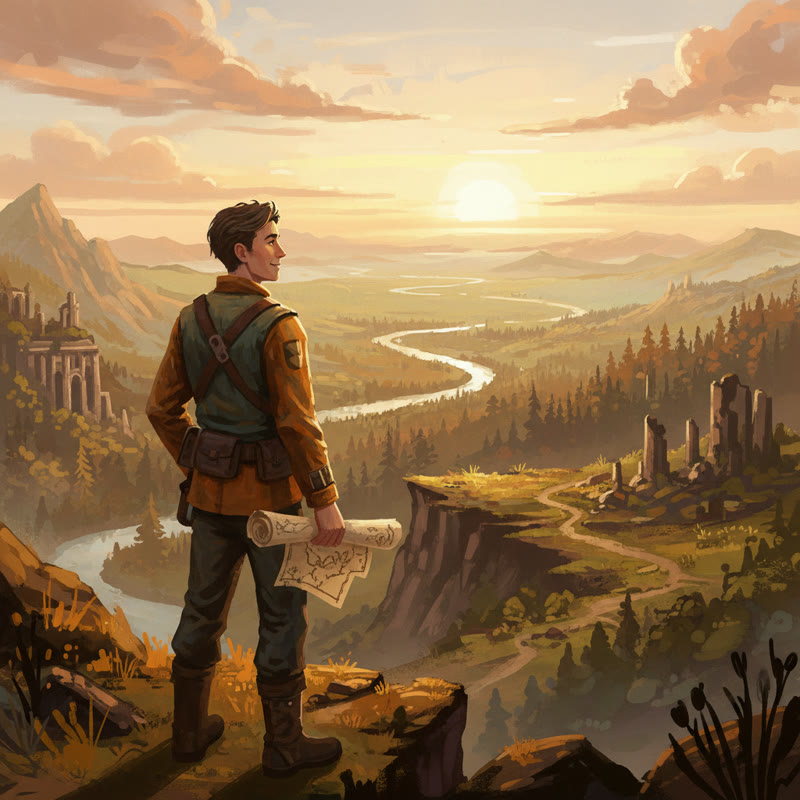
Experts Have Answers. Explorers Have Questions.
Experts show up to meetings with conclusions ready. Explorers arrive wondering what they're about to find out. Experts defend territory. Explorers draw maps.
For most of my career, I thought expertise was the goal. Get enough experience, enough credentials, enough battle scars, and you'd finally earn the badge.
What nobody told me: the badge is also a cage.
When you're the expert in the room, you stop asking certain questions. You stop saying "I don't know." You stop following ideas down paths outside "your area." You start protecting the reputation instead of building on it.
I've watched it happen to people around me. Likely to me too.
The Best Learning Happens at the Start
Think about your own career for a moment. Were you better at learning when you knew nothing... or after ten years of doing it?
For most people, it's early on. When you have no expertise to protect, you're free. You ask the uncomfortable questions. You try approaches the experienced folks dismiss. You read outside your lane. You connect dots specialists miss because they're too focused on their own subject.
Explorer mode.
It doesn't last unless you fight to keep it.
I've changed fields twice. Moved from the Army to tech, then from tech to HR and leadership. Both times felt like starting over. Both times I learned faster than any other period in my career.
Not in spite of being new to the field. Because of it.

The Leadership Case for Staying Curious
The Training Associates wrote about this shift from expert to explorer in leadership. Their point: in a volatile, uncertain, complex, ambiguous world, the expert mindset isn't enough. Change moves too fast. Nobody has all the answers. Leaders who succeed stay curious.
My experience backs this up.
My best moments as a leader haven't been when I knew exactly what to do. They've been when I was genuinely figuring it out alongside my team.
The expert in the room shuts down conversation. The explorer opens it back up.
So Here's What I'm Trying
When someone asks what I do, I'm experimenting with "I work in leadership" rather than "I'm an expert in X." It feels less impressive. It's likely costing me something.
But it also keeps a door open. A door experts tend to close.
What would change about how you show up if you described yourself as an explorer rather than an expert?