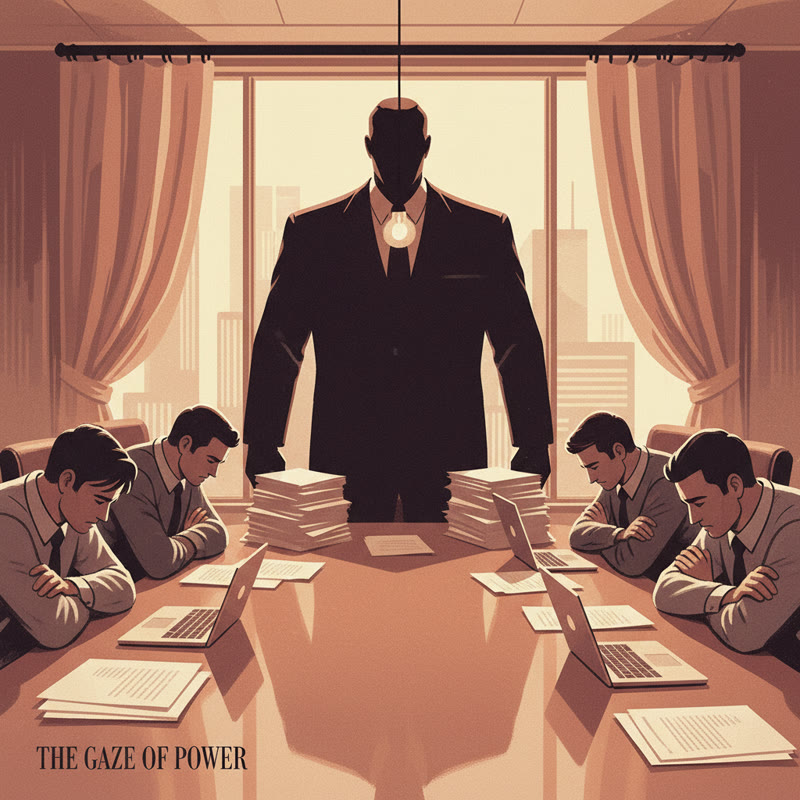
I had a boss once who made me feel like a piece of furniture. Three years into a role I loved, working for someone I actively dreaded. I'd go quiet at dinner parties when someone asked about work. I'd talk about "my team," "my company," "my projects" — talking around the person making my professional life miserable, as if naming them was too dangerous.
It took years to understand why I did it.
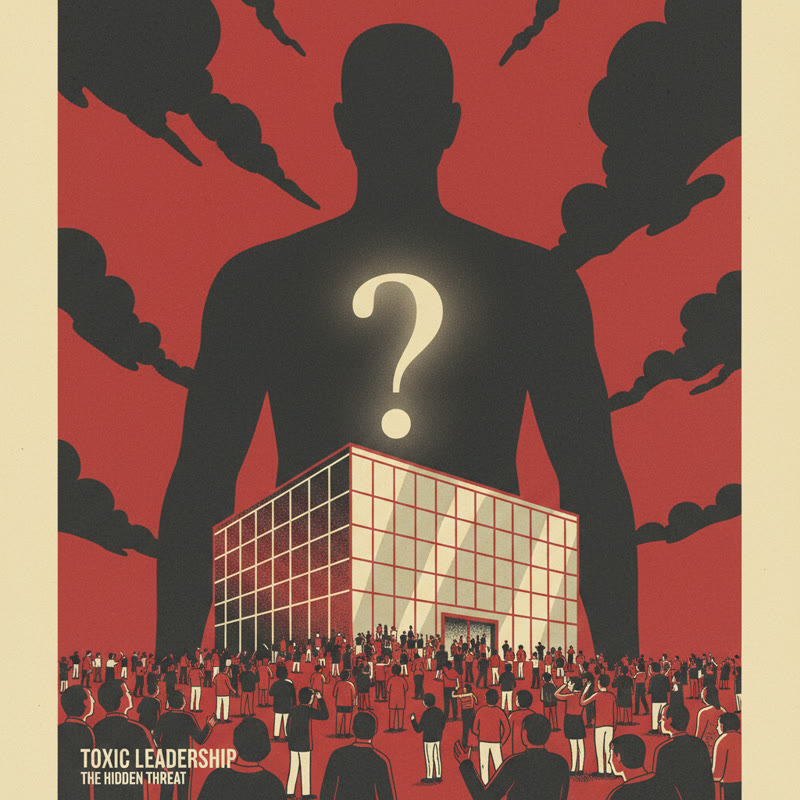
We have a culture of treating toxic bosses like Voldemort. He Who Must Not Be Named. Colleagues speak in code. Exit interviews say nothing real. Former employees write glowing LinkedIn recommendations because the alternative feels too risky. People move on and stay quiet, while the next person walks in and gets the same treatment.
I'm done with it.
The Numbers Behind the Silence
Research from Kapable Club found 87% of professionals globally have had at least one toxic boss. My own research found 99.5% of survey respondents reported experiencing one or more types of bad boss behavior. Not an occasional problem. The standard experience for most working people.
And yet, 40% of employees stay silent about toxic leaders out of fear. NDAs bind more than a third of U.S. workers, restricting them from discussing workplace abuse or toxic leadership. We've built legal and cultural infrastructure specifically designed to keep the silence in place.
The toxic boss is Voldemort. We've all signed a magical contract not to name them.
What the Silence Is Costing
Toxic culture is 10 times more likely to drive attrition than pay dissatisfaction. Not three times. Ten times. A bigger pay packet does almost nothing to fix what's making people leave.
57% of workers have left a job because of their boss. Not the commute. Not the work itself. The boss.
Bad bosses cost U.S. businesses an estimated $360 billion annually in lost productivity, turnover, and healthcare expenses. The GDP of medium-sized nations. Vanished. Every year.
The personal cost goes further. 72% of employees with a toxic boss report daily stress. 53% have nightmares about their manager. 41% have sought therapy because of a boss. These are not mild inconveniences. These are genuine injuries being absorbed quietly by people who feel they have no other option.
Why They Keep Rising
The most frustrating thing about toxic bosses isn't their existence. It's the promotion cycles.
Research from McKinsey and Dr. Tomas Chamorro-Premuzic at Columbia University points to the same root cause: we mistake confidence for competence. The traits getting people noticed and promoted... loud, charismatic, self-assured, magnetic... are the opposite of what makes someone a good leader. Empathy, self-awareness, humility, listening skills. Those traits don't read well in a promotion meeting. They don't fill a room.
So the narcissist gets the job. The bully gets the next one. They rise not despite their behavior, but partly because of it. Chamorro-Premuzic's research found we're actively selecting for dysfunctional leadership traits, mistaking charisma for capability and confidence for strategic vision.
And because no one says anything meaningful in exit interviews, hiring managers at the next company have nothing to work with. The pattern repeats.
The silence doesn't protect you. It protects them.
The Myth of the One Bad Apple
I've spoken to hundreds of people about their leadership experiences. When I dug into the data behind my BAT (Bad Apple Test) framework at StepUp2Bat, the same pattern appeared again and again. People think their toxic boss is unusual. An exception. A one-off.
Wrong.
99.5% of respondents had experienced bad boss behavior. Not one type. Multiple types. The micromanager who second-guesses every decision. The credit-taker who presents your work as their own. The intimidator who makes people afraid to speak. The invisible manager leaving you without direction or support. These behaviors are not rare. They're unnamed.
And unnamed, they're invisible. Invisible, they're untreated. Untreated, they multiply.
We've built a culture around minimizing bad boss behavior. "She's the way she is." "He means well." "Learn to work with people like him." We pathologize the employee and protect the boss. Every time we do, we make it easier for the next toxic boss to get away with the same behavior.
A 99.5% Problem Needs a Name
One thing worth sitting with: if 99.5% of people have experienced bad boss behavior, who are the toxic bosses being produced by? Not some alien system. By organizations failing to name the behavior, confront it, and stop promoting the people doing it.
The Voldemort silence is not neutral. It's a mechanism. It doesn't protect anyone but the person with the power to harm. The employees stay quiet because speaking feels dangerous. HR stays quiet because raising it creates conflict. Leadership stays quiet because challenging a peer is uncomfortable. And the toxic boss moves from role to role, organization to organization, gathering a trail of broken teams and traumatized employees behind them — none of whom ever said anything on the record.
The next person coming in sees a spotless reference. They're walking in blind.
What Naming Looks Like
I'm not suggesting a LinkedIn rant with your old boss tagged. Noise. Helps no one.
Here's what naming looks like in practice.
Write an honest exit interview. Most exit interviews are useless because HR asks generic questions and employees say nothing real. Break the pattern. If the reason you're leaving is your manager, say so specifically. What behaviors? What patterns? Give the organization something to work with, even if you believe they won't act on it.
Be honest in reference checks. Not vindictive. Honest. When someone calls to ask what it's like working with a former boss and you experienced something specific and problematic, say it. Protect the person asking by giving them real information. You're not obligated to perform enthusiasm you don't feel.
Use structured feedback tools. StepUp2Bat exists for this reason. Anonymous, structured, upward feedback gives organizations the signal they need to see patterns they're currently missing. If your team has access to tools like this, use them honestly. Don't game them. Don't soften them. Say what's true.
Have the conversation with colleagues still there. Not gossip. Not venting. A direct: "I want to share what my experience was, because it might matter for you." One honest conversation gives someone else permission to name what they're experiencing.
None of this is comfortable. All of it matters.

The Person Who Comes After You
The next person hired into the role you left is working for the same boss. Having the same experience. Worse... the silence you maintained gave the toxic boss one more year of impunity. One more year of evidence saying their behavior is acceptable and consequence-free.
Your silence is a gift to the person doing the harm. Your honesty is a gift to the person coming next.
I know it's not simple. Jobs, references, legal agreements, fear of reputational blowback. Real constraints. You need to protect yourself. Where the legal risk is low, where the relationship allows it, where the damage from continued silence is certain... say something.
Not for revenge. Not for your own satisfaction. For the person walking in after you, who deserves to know what they're walking into.
Your Voldemort doesn't deserve the silence.
Name them.